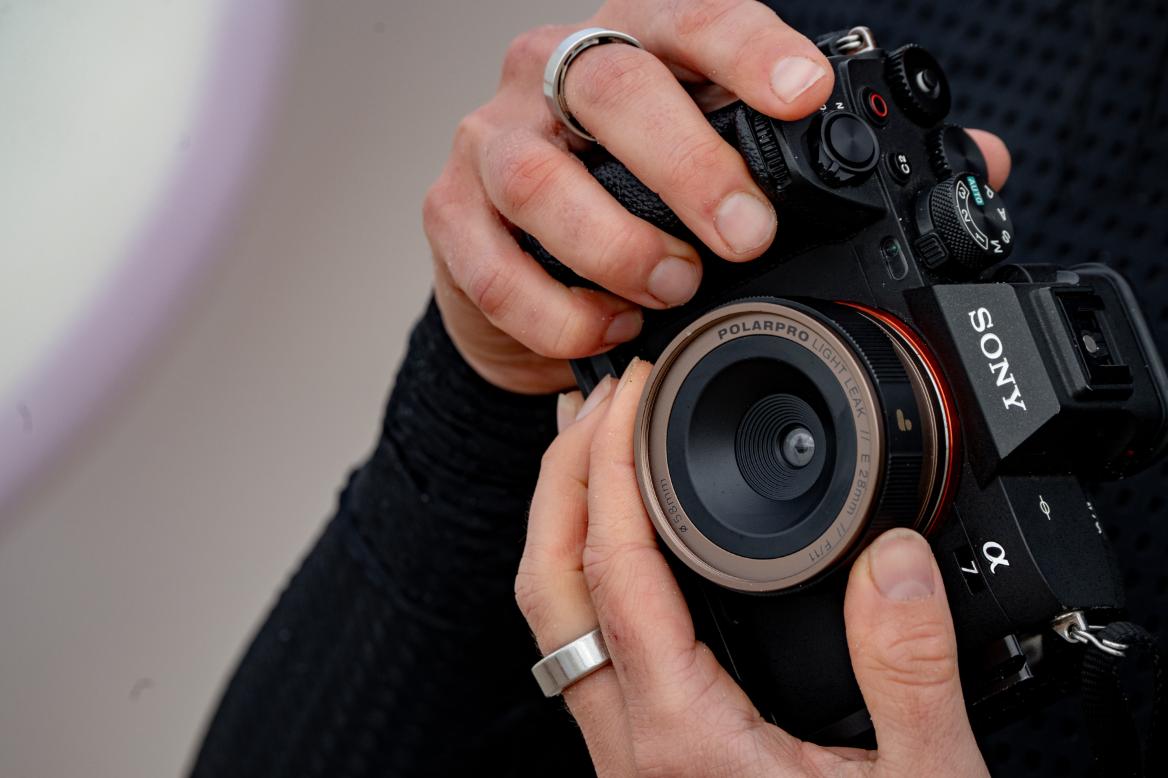

A type of filter that is attached to a camera lens is called a " PL ( There is a type of filter called a "polarizing (polarizing) filter ." Camera polarizing filters are called various names, such as CP filters, C-PL filters, and PL filters, but when grouped together they are all categorized as "polarizing filters."
This filter controls reflected light and allows for vibrant colors in photos. However, many people do not fully understand what effect it has, how to use it correctly, or what scenes it is useful in. In this article, we will explain in detail the basics of PL filters and how to use them effectively.
What is a PL filter?

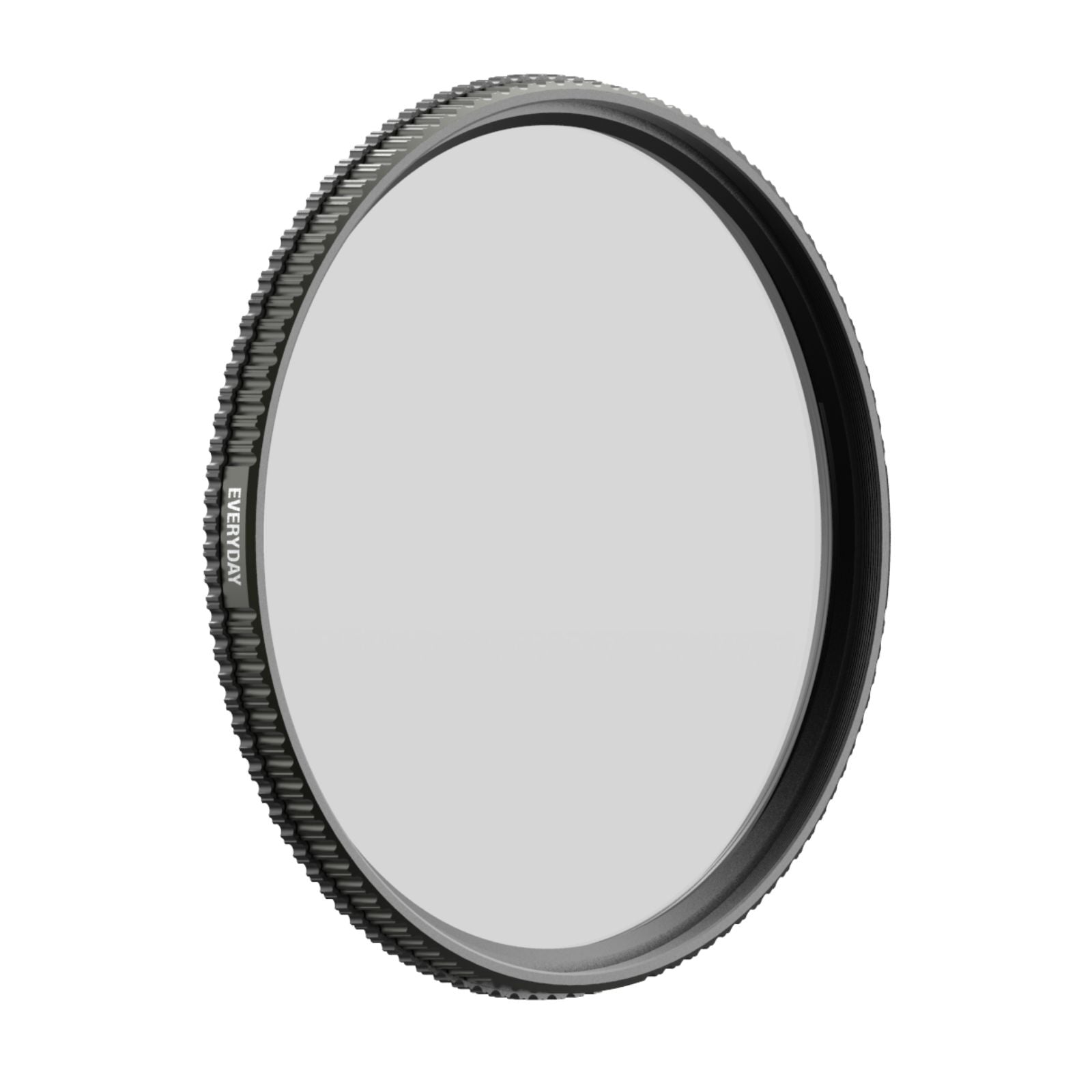
A PL filter is a polarizing filter, a photography filter that uses the polarization of light to cut out unwanted reflected light.
It is mainly used to reduce reflections from glass and water surfaces, and to vividly capture the natural colors of the sky and plants.
Commonly known as a circular polarizing filter (CPL), it is often attached to a lens and can be used in combination with other filters, allowing you to use different filters depending on the scene or subject you want to capture.
PL filter effect
The greatest benefit of a PL filter is that it reduces unwanted reflections and glare.
Specifically, it is possible to take clear underwater photos by removing reflections from the water surface, and to eliminate glare when shooting through glass.
It is also particularly useful for landscape photography, as it can bring out the blue of the sky and make the colors of plant leaves appear more natural.
PL filters also improve contrast and color saturation, improving the overall quality of your photos.
▼No filter

▼ With a PL filter (the reflection on the water surface disappears and the sky is clearly visible)

How to use a PL filter

To use a PL filter, first attach it to the front of the lens. Then, rotate the filter and check the effect in the viewfinder or on the LCD monitor. Fix the filter in the position that gives the best effect and take the photo.
The strength of the effect can be adjusted by the angle of rotation, so it is important to fine-tune it to suit the shooting scene. When using it, you must take into account the direction of the light and the reflection conditions to achieve the best results.
PL filter usage scenarios

PL filters are particularly effective when photographing landscapes outdoors. For example, in waterside scenes, they reduce reflections on the water surface, allowing you to clearly capture rocks and creatures on the bottom.
In addition, in mountains and forests, the blue of the sky and the green of the plants can be more beautifully expressed, creating dynamic scenery.
Furthermore, it is extremely effective when you want to prevent reflections when shooting on the glass of a car or building.
As such, PL filters are highly useful in a wide variety of scenes and are a powerful tool for expanding photographers' expression.
What is the lifespan of a PL filter? Does it deteriorate over time?
Like other products, PL filters also deteriorate over time. The coating on the filter surface may peel off or become hazy. This can result in a decrease in image quality or a loss of the intended effect.
Storage conditions can affect the lifespan of a lens. Avoiding direct sunlight, high temperatures, and humidity and storing the lens in a special case will help slow down deterioration. It is important to maintain the best possible shooting environment by regularly checking the lens's condition and replacing it as necessary.
It is difficult to recreate the effect of a polarizing filter in post-processing software.
Some people may think that it would be possible to achieve the same effect by editing in Photoshop without using a filter, but it is actually quite difficult to reproduce the effect of a polarizing filter in post-processing.
In the first place, it is impossible to take a photo of something that is not reflected in the photo, and no matter how advanced editing technology becomes, it is difficult to completely hide the reflection through editing.
summary
PL filters can be a powerful tool that can take your everyday photography to the next level.
PolarPro's polarizing filters are available in the " CP Filter " category.
If you feel dissatisfied with the image data, it may be worth considering using a high-quality PL (polarizing) filter.