Camera lenses are expensive optical devices. Lens protection filters play an important role in protecting their surface. In this article, we'll explore what protective filters are, why they're necessary, and when and how often to install and replace them. We hope you'll take just as much care in protecting your camera as you do in improving your photography skills, and deepen your knowledge to help you safely capture the best possible shots.
What is a lens protection filter?

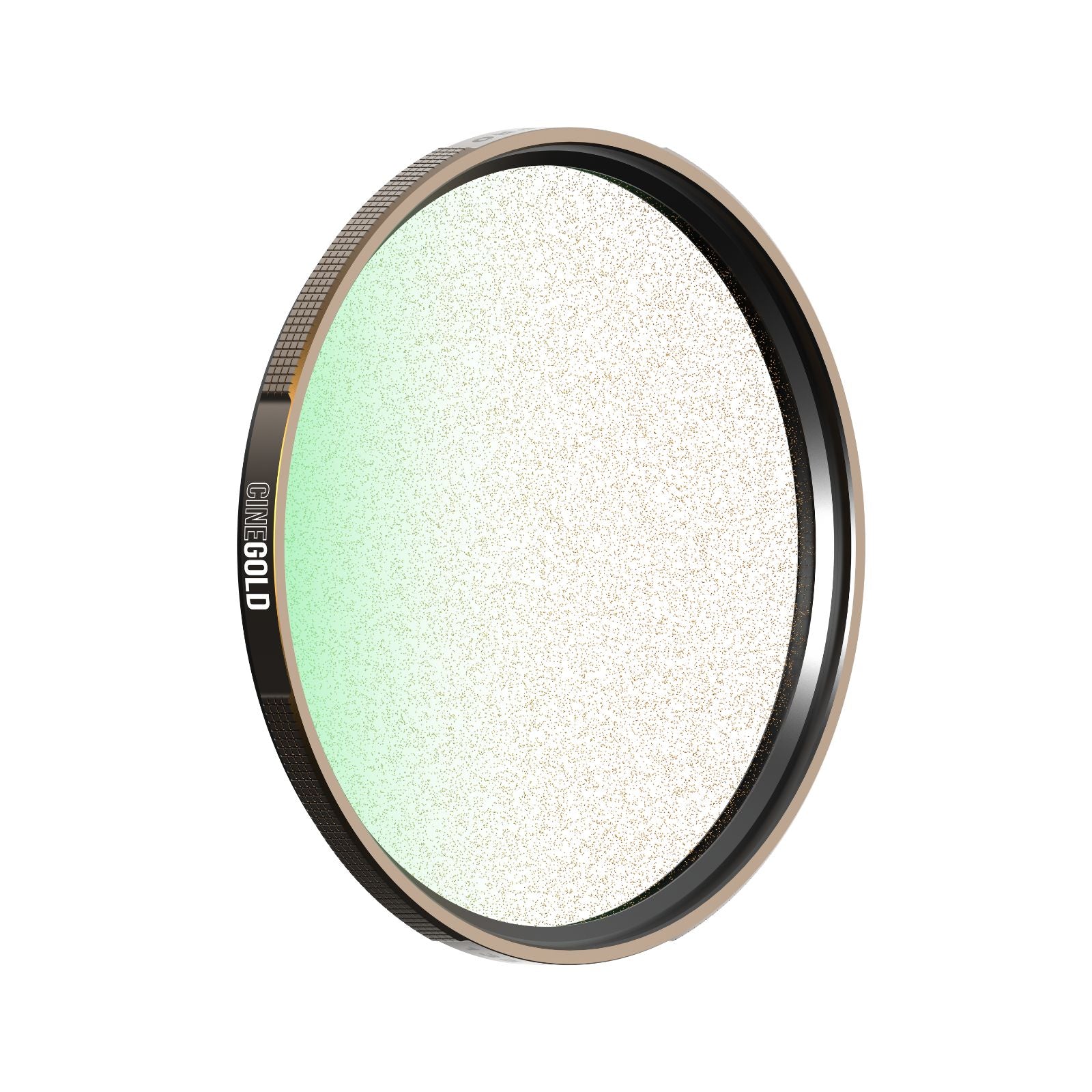
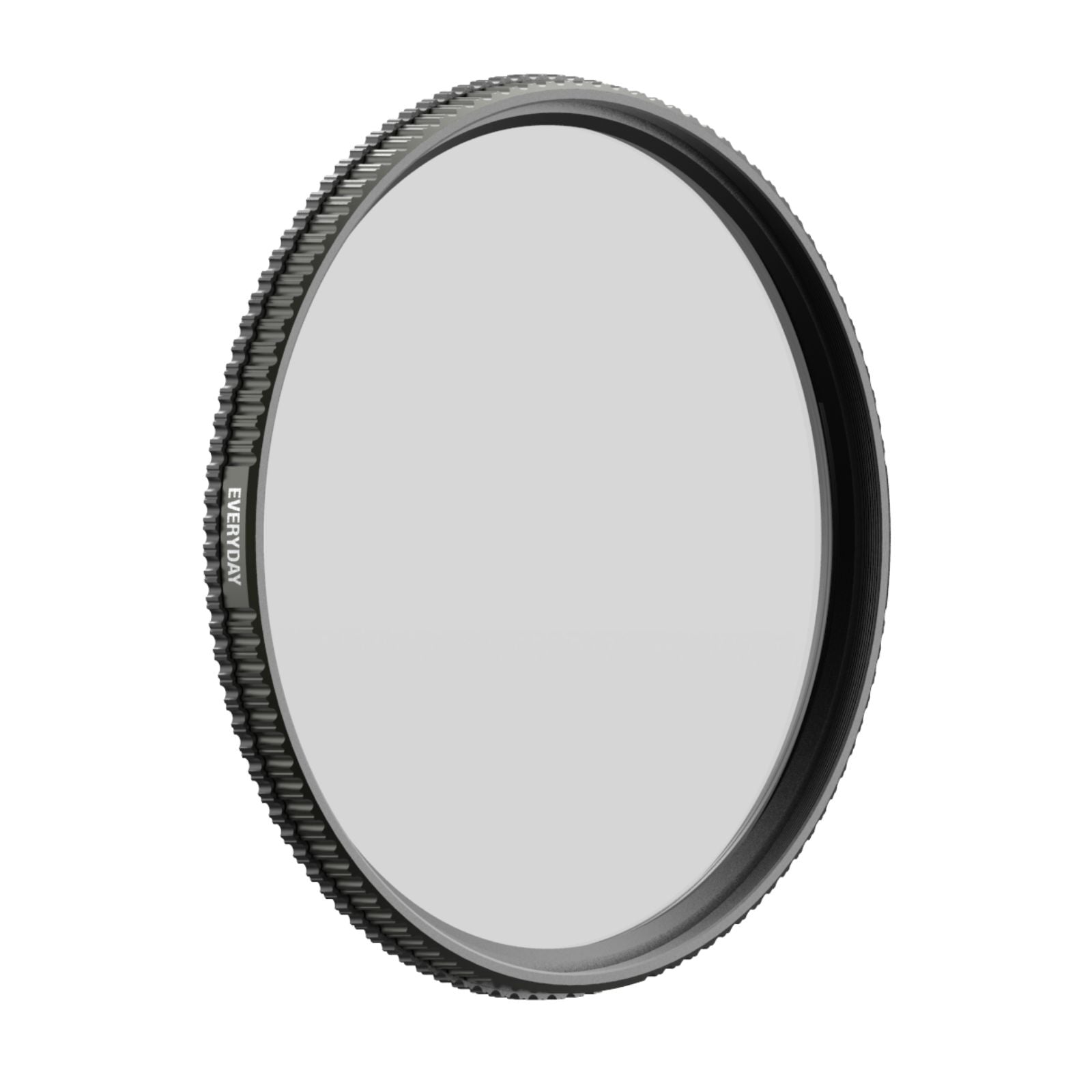
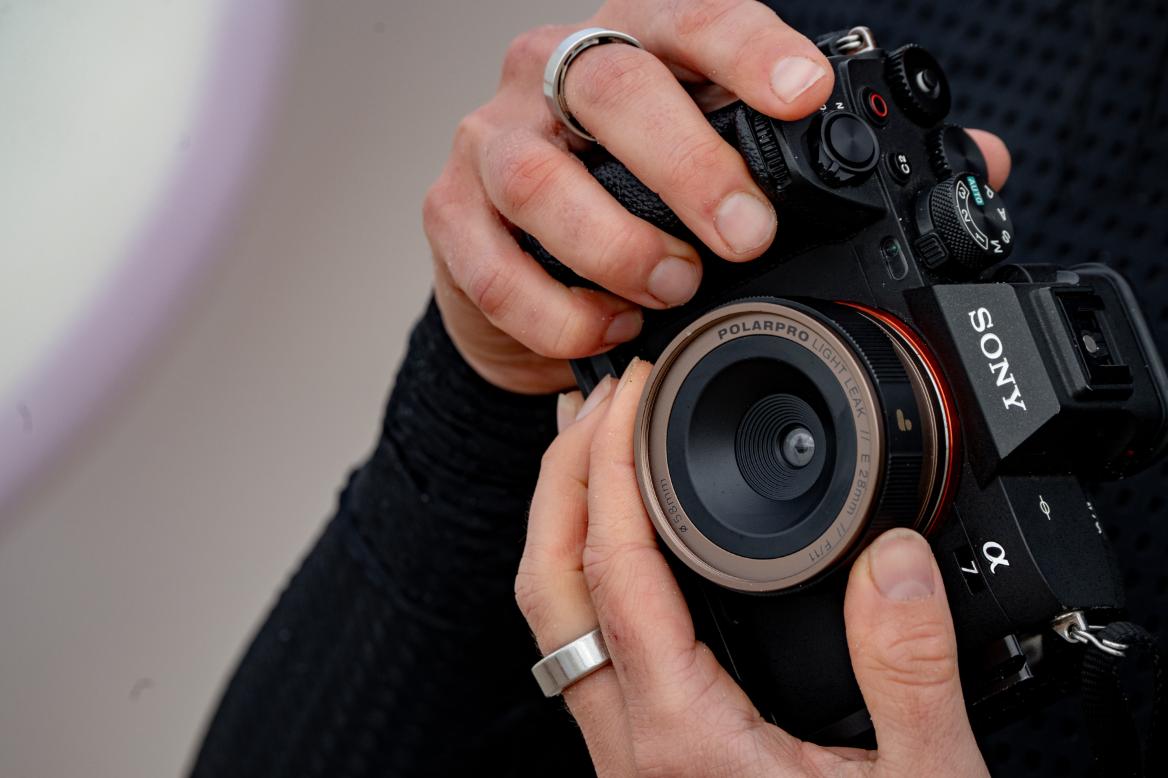
A lens protection filter is a thin glass filter that is attached to the front of a camera lens and is made of clear glass that minimizes optical interference.
Their main purpose is to protect the lens surface from scratches and to protect the lens from dust, fingerprints, water droplets, etc. Special filters such as ND filters and polarizing filters may also be used depending on the shooting situation, but because they change the properties of light, they are used for different purposes than permanently attached lens protection filters.
Lens protection filters are designed to be as unnoticeable as possible and to minimize any changes in image quality.
Is a lens filter necessary?

There is some debate about the necessity of lens protection filters. Many argue that the lenses themselves are made of hardened glass and have a certain degree of durability, so no protection from a filter is necessary.
On the other hand, attaching a filter allows you to clean the lens surface without directly touching it, and protects the lens from any possible impacts or scratches, making it particularly necessary for professionals who do a lot of outdoor shooting, and hobbyists who shoot in harsh environments such as the mountains.
In conclusion, it is important to consider using lens filters depending on the value of your lens and how often you use it.
Disadvantages of using a lens protection filter
When a lens protection filter is attached, a small gap is created between the lens and the filter, which can cause diffuse reflection, flare, ghosting, etc., which may result in a slight decrease in image quality. Also, depending on the quality of the filter, transmittance may decrease, causing the image to become slightly darker.
As such, you need to consider the effect of protective filters on image quality, as well as the shooting situation and the value of the lens, before deciding whether or not to use one.
Is it okay to leave the lens protection filter on?

Keeping a lens protection filter attached at all times is convenient and has the advantage of making cleaning and maintenance of the lens easier. However, when shooting in environments where fingerprints and dust are likely to accumulate, or in the rain, it is necessary to clean the filter frequently.
Also, if you are looking for the highest possible image quality, it may be preferable to remove the filter when taking the photo.
Therefore, wearing it is not always the best, and it is important to consider removing it depending on the situation.
Do lens protection filters deteriorate? How often should they be replaced?
Lens protection filters gradually deteriorate over time and with use. Naturally, they are located at the front of the lens, so they are susceptible to fine dust particles. Scratches and dirt accumulate.
If scratches, dirt, or peeling of the film are found, this will affect the image quality through the filter, so regular inspections are necessary.
The frequency of replacement depends on the usage environment, but as a general rule, it is recommended to check it once a year and replace it as necessary. Professionals and those who frequently take outdoor photos should aim for more frequent inspections and replacements.
summary
Lens protection filters Attaches to the front of the camera lens A thin glass filter that minimizes optical effects. Its purpose is to protect the lens surface from scratches and to protect the lens from dust, fingerprints, water droplets, etc.
Low quality The protective filter is The transmittance decreases and the image quality deteriorates. Since this can increase the risk of light reflection, flare, and ghosting, it is important to choose a high-quality protective filter to avoid compromising the quality of your photos and videos.
High-quality filters from specialized filter manufacturers like PolarPro It boasts 99% transmittance, eliminating image degradation and light loss, and provides the lens with a first line of defense against impacts from external factors such as rocks, dust, and debris.
To minimize damage to your expensive lenses and maximize their potential, we recommend using a high-quality protective filter that is compatible with your camera or device.