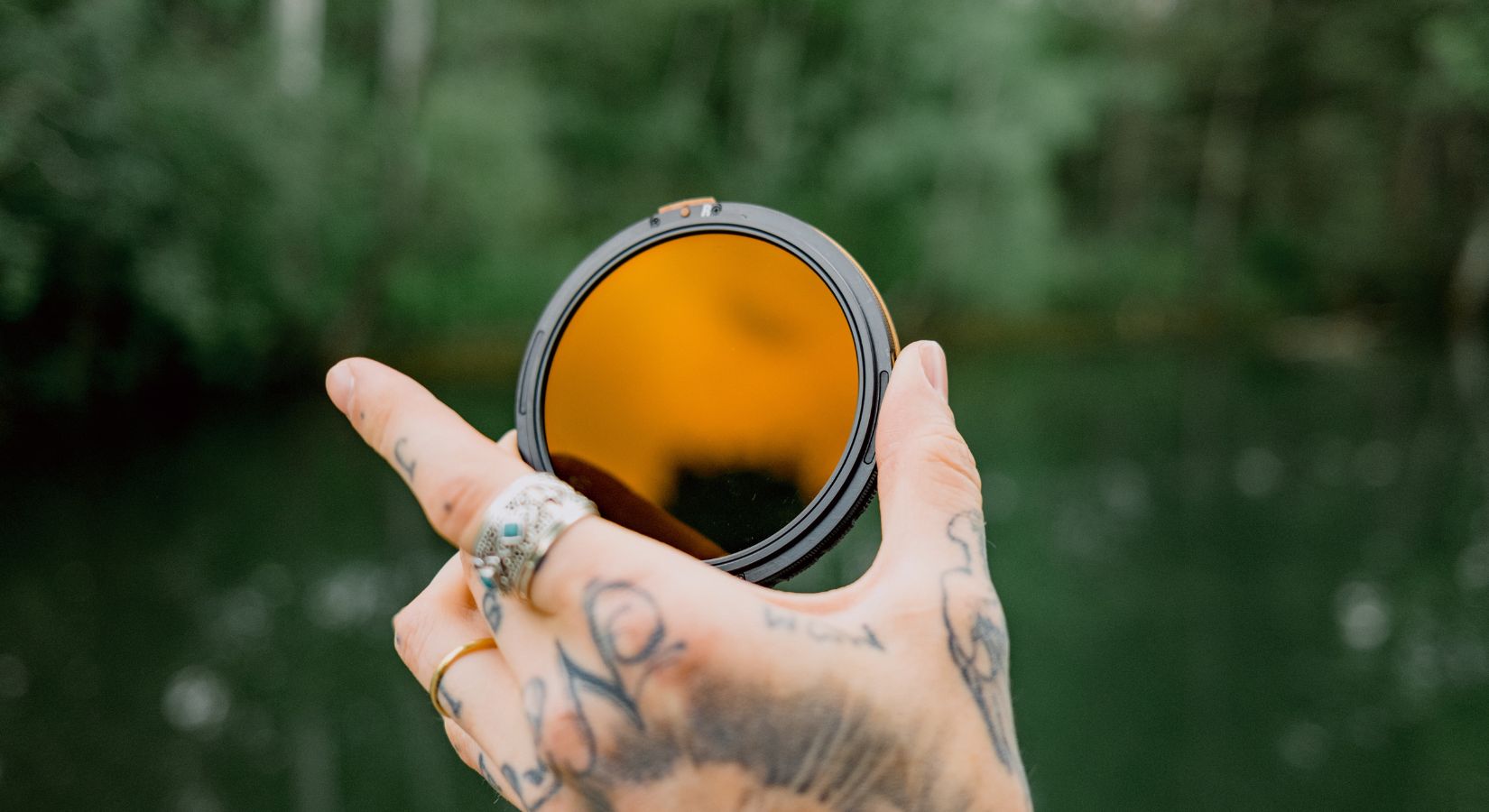
ND filters are an essential camera accessory for long shutter speed photography and videography.
ND filters can be a little difficult to use for beginners, but if you can properly understand their effects and how to use them, there's no doubt they will improve the quality of your photos and videos and the range of expression.
This time, I would like to introduce some basic knowledge about ND filters, their types, and some examples of the effects they have when used.
What is an ND filter?
ND stands for Neutral Density, which means neutral density.
This accessory acts like sunglasses by attaching it to the tip of your camera lens and adjusting the amount of light that enters.
Types of ND filters
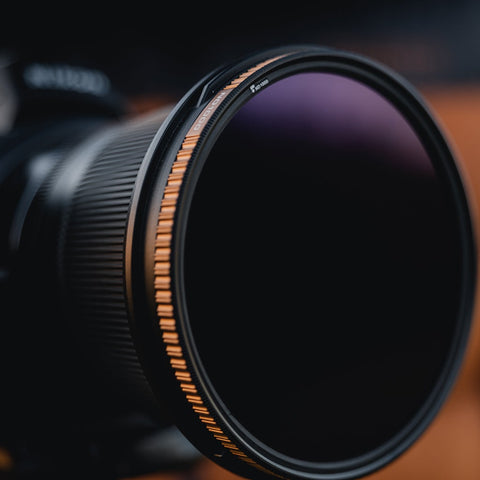
ND filters come in a variety of names, with numbers added after ND, such as ND4, ND8, and ND16, which indicate how much light they can reduce. The higher the number, the greater the light reduction effect.
In addition to the ND XX expression, it may also be expressed in stop values (aperture steps), such as 2 stops or 6 stops.
Below is a table showing the different ways of expressing the dimming effect.
| kinds | ND4 | ND8 | ND16 | ND32 | ND64 | ND1000 |
|---|---|---|---|---|---|---|
| Light intensity | 1/4 | 1/8 | 1/16 | 1/32 | 1/64 | 1/1000 |
| Aperture | 2 steps | 3 steps | 4 steps | 5 steps | 6 steps | 10 steps |
| Transmittance | 50% | twenty five% | 12.5% | 6.25% | 3.12% | 0.19% |
There are single filters that have one effect with one filter, and variable filters that can be rotated to change the light-reduction effect. Variable filters are convenient because they can be used in a variety of shooting environments with just one filter, but they have the disadvantage that their structure makes them prone to vignetting and unevenness.
The effect of ND filters
ND filters are used to control shutter speed, and the table below shows how much slower the shutter speed will be when used.
| Aperture step | 2 steps | 3 steps | 4 steps | 5 steps | 6 steps |
|---|---|---|---|---|---|
| No ND filter | ND4 | ND8 | ND16 | ND32 | ND64 |
| 1/4000 second | 1/1000 second | 1/500 second | 1/250 second | 1/125 second | 1/60 second |
| 1/2000 second | 1/500 second | 1/250 second | 1/125 second | 1/60 second | 1/30 second |
| 1/1000 second | 1/250 second | 1/125 second | 1/60 second | 1/30 second | 1/15 second |
| 1/500 second | 1/125 second | 1/60 second | 1/30 second | 1/15 second | 1/8 second |
| 1/250 second | 1/60 second | 1/30 second | 1/15 second | 1/8 second | 1/4 second |
| 1/125 second | 1/30 second | 1/15 second | 1/8 second | 1/4 second | 1/2 second |
| 1/60 second | 1/15 second | 1/8 second | 1/4 second | 1/2 second | 1 second |
| 1/30 second | 1/8 second | 1/4 second | 1/2 second | 1 second | 2 seconds |
| 1/15 second | 1/4 second | 1/2 second | 1 second | 2 seconds | 4 seconds |
| 1/8 second | 1/2 second | 1 second | 2 seconds | 4 seconds | 8 seconds |
| 1/4 second | 1 second | 2 seconds | 4 seconds | 8 seconds | 16 seconds |
| 1/2 second | 2 seconds | 4 seconds | 8 seconds | 16 seconds | 32 seconds |
Using an ND filter in photography allows you to capture invisible passage of time, such as the flow of water or clouds or the trail of light, using a long shutter speed, greatly expanding the range of expression.
▼ND64 filter used / ISO100 / EV0 / F7 / SS30


Why ND filters are essential, especially for video shooting
When shooting still images, it is common to increase the shutter speed to prevent the photo from blurring, except in cases where you want to capture the trails of light or the smooth flow of water, but this is not the case with videos.
The barrier to increasing the shutter speed is This is the relationship between " frame rate " and " shutter speed, " which is one of the basics of video shooting .
To begin with, a video is a series of still images, and the frame rate is a value that indicates how many frames (still images) are included per second of video.
The appropriate shutter speed for video shooting is generally considered to be twice the frame rate: for example, 1/60 for 30fps, 1/48 for 24fps, and so on.
The basic idea behind video shooting is that by creating a moderate amount of blur, the footage will become smoother and look more natural.
However, if you try to take a photo with the correct exposure on a sunny day or in a bright environment, you will end up with overexposed images unless you increase the shutter speed.
So what is needed is An ND filter reduces the amount of light entering the lens, allowing you to obtain the correct exposure at the appropriate shutter speed.
The video below shows the results during the day with "No ND" and "No ND (proper exposure)". These videos were shot with ND (proper exposure).
▼24FPS × 1/48 sec × No ND filter (Overexposed)
▼24FPS × 1/8333 sec × No ND filter (correct exposure)
▼24FPS × 1/48 sec × ND64 filter (correct exposure)
The video (middle) shot with a faster shutter speed for proper exposure results in an unnatural, shaky image, while the bottom video, shot with an ND filter at the appropriate shutter speed, has a natural look with just the right amount of afterimage.
Use high-quality ND filters
To put it bluntly, an ND filter is like having an unnecessary glass plate in front of your lens, so using a low-quality filter can have a negative impact on the quality of your photos and videos.
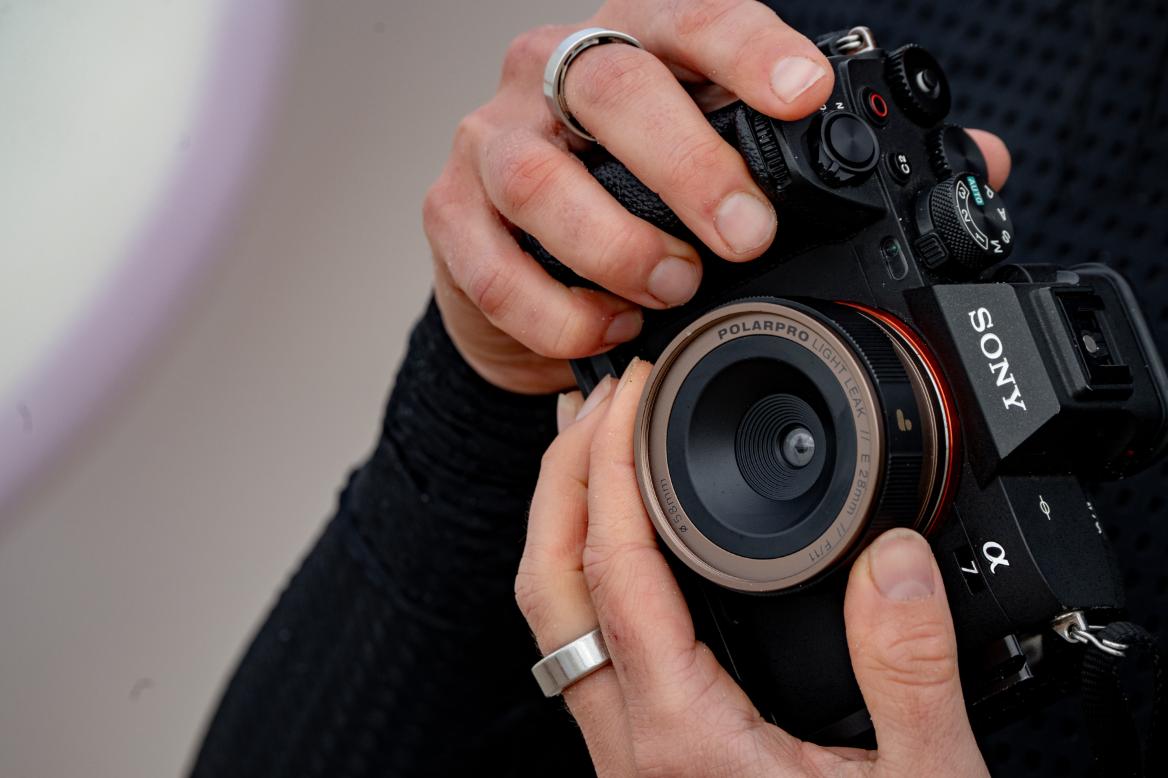
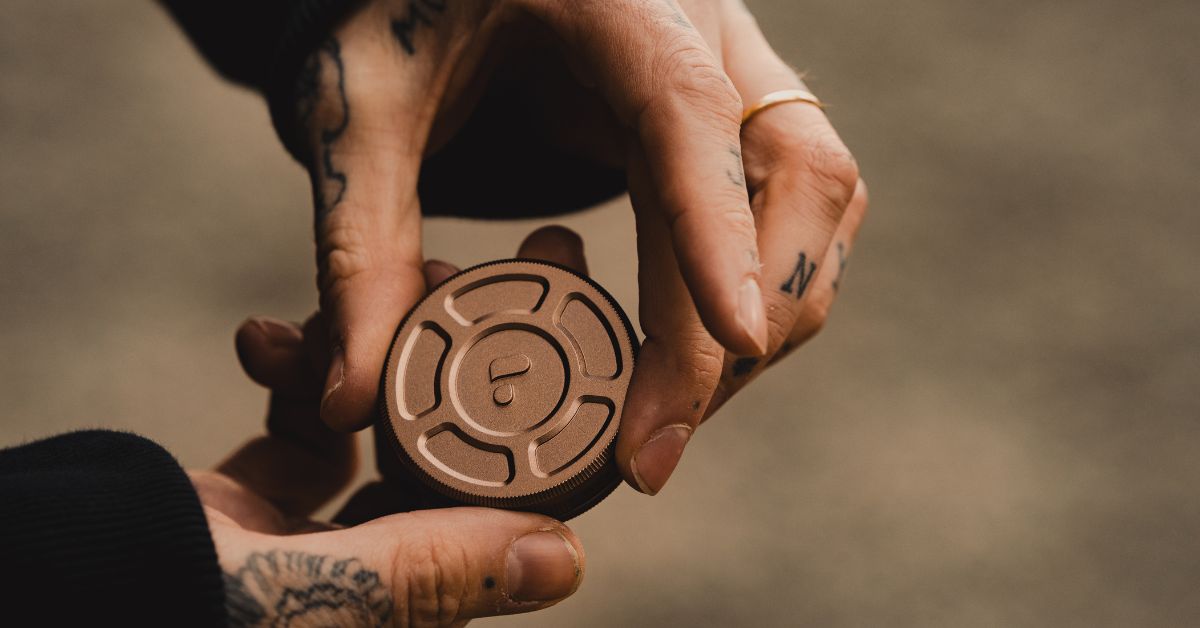
High-quality filters from filter-focused brands like PolarPro offer industry-leading color reproduction and accuracy, delivering the intended effect while minimizing artifacts.
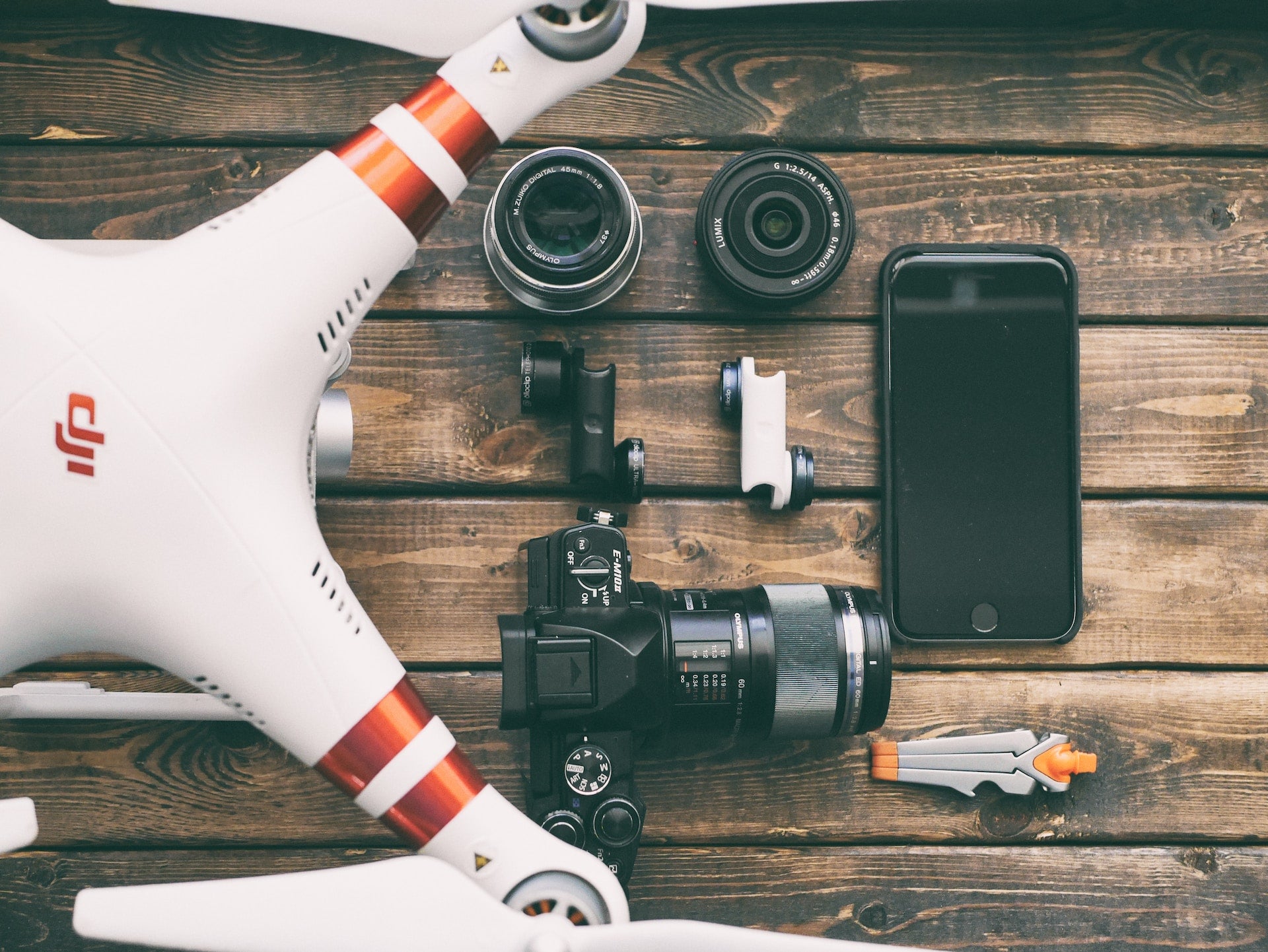
There are dedicated filters available for a variety of photography gear, including cameras, GoPros, iPhones, and drones, so if you want to take your current photos and videos to the next level, consider using an ND filter.