ISO sensitivity is one of the mechanisms that affect the quality of a photograph. In this article, we will explain the basics of ISO sensitivity, how to read it, and how to set it appropriately. We will also introduce essential knowledge for mastering your camera, such as essential knowledge for shooting in dark environments and the impact of increasing the ISO sensitivity.
What is ISO sensitivity?

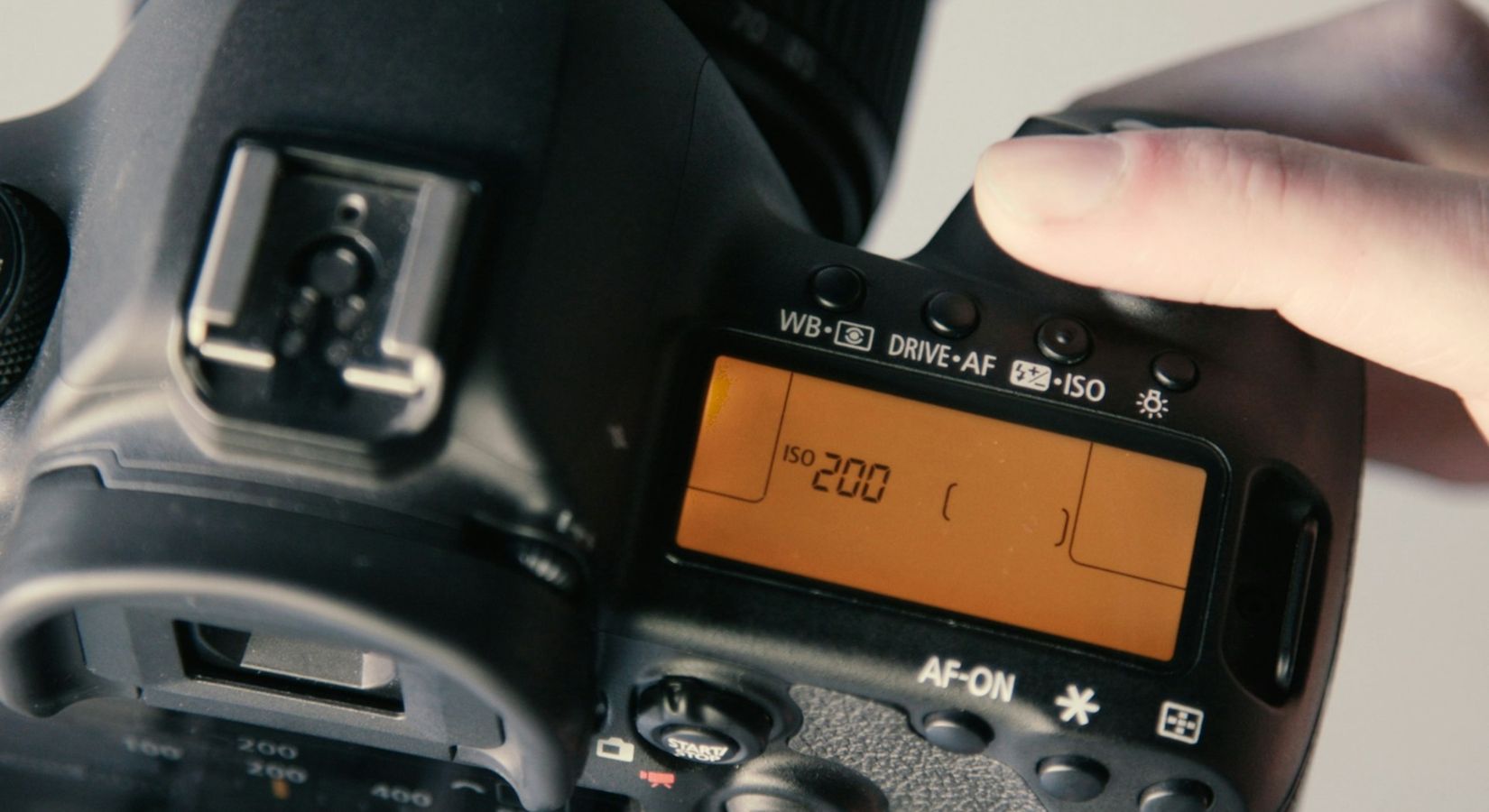
ISO sensitivity is a number that indicates how sensitive a camera's sensor is to light, and how strongly the signal received by the sensor is digitally amplified.
A high sensitivity setting allows you to take bright photos even in low light, while a low sensitivity setting requires more light, resulting in richer colors and higher image quality, but it can also lead to underexposure in low light conditions.
Choosing the right ISO sensitivity should be determined based on the lighting conditions of the scene you are shooting, which will have a big impact on the scenery, subject, and desired texture of the photo.
How do you pronounce ISO?
ISO is sometimes called "Iso-o" and sometimes pronounced "Iso" or "Iso."
It is called by different names depending on the person, and the reality is that there is no correct answer and any name will be understood.
What is the appropriate ISO setting?

The appropriate ISO setting depends on the shooting conditions.
Although it depends on the camera, the standard setting is generally around the minimum sensitivity of ISO 100 to 200, and this range is desirable for outdoor daytime photography.
When shooting after sunset or indoors, you can ensure proper exposure by increasing the ISO to 400-800.
If you are shooting in very dark environments or with fast-moving subjects, you may need to set the ISO above 1600.
However, raising the ISO sensitivity too much can increase the likelihood of noise occurring, so it is important to keep it to a minimum while determining the optimal value to suit the shooting conditions.
What happens if you increase the ISO too much?
Setting the ISO too high increases the chance of noise appearing in the image.
Random color grain in images, also known as digital noise, is a typical problem at high ISO settings.
Increasing the ISO increases the signal strength of the sensor, which increases the likelihood of noise being introduced in addition to the actual image information, resulting in the loss of fine details and a decrease in the overall image quality.
Therefore, it is necessary to adjust other settings such as f-stop and shutter speed to get the right exposure while using the lowest possible ISO.
The relationship between ISO, f-stop, and shutter speed
ISO sensitivity, along with f-stop (aperture) and shutter speed, determines the exposure of a photo.
While the f-stop controls how large the lens opening is to let in light and the shutter speed determines how long the sensor is exposed to light, the ISO speed adjusts the sensor's sensitivity to light.
These three elements, also known as the "exposure triangle," influence each other to determine the brightness of the final image.
For example, increasing the f-number deepens the depth of field, allowing the background to be in focus, but at the same time reduces the amount of light entering the subject, so compensation will be required to obtain proper exposure by increasing the ISO sensitivity or slowing down the shutter speed.
ISO sensitivity guidelines for different shooting situations

The following are guidelines for ISO sensitivity depending on the shooting situation.
- Sunny outdoors: ISO 100-200
- Cloudy days and twilight: ISO 400-800
- Indoor and night photography: ISO 800-3200
These are merely guidelines, and it is not possible to make a general statement as the ISO sensitivity at which noise begins to occur varies depending on the performance of the camera being used.
It is important to take photos in various shooting environments and with various camera settings to fully understand the camera's performance, and then set the appropriate ISO sensitivity while being aware of the risk of noise.
Also, like sports photography When photographing fast-moving subjects, you need to increase the shutter speed, which requires a higher ISO setting.
Always aim for the lowest ISO setting possible and gradually increase it as needed to ensure high-quality photos and videos.