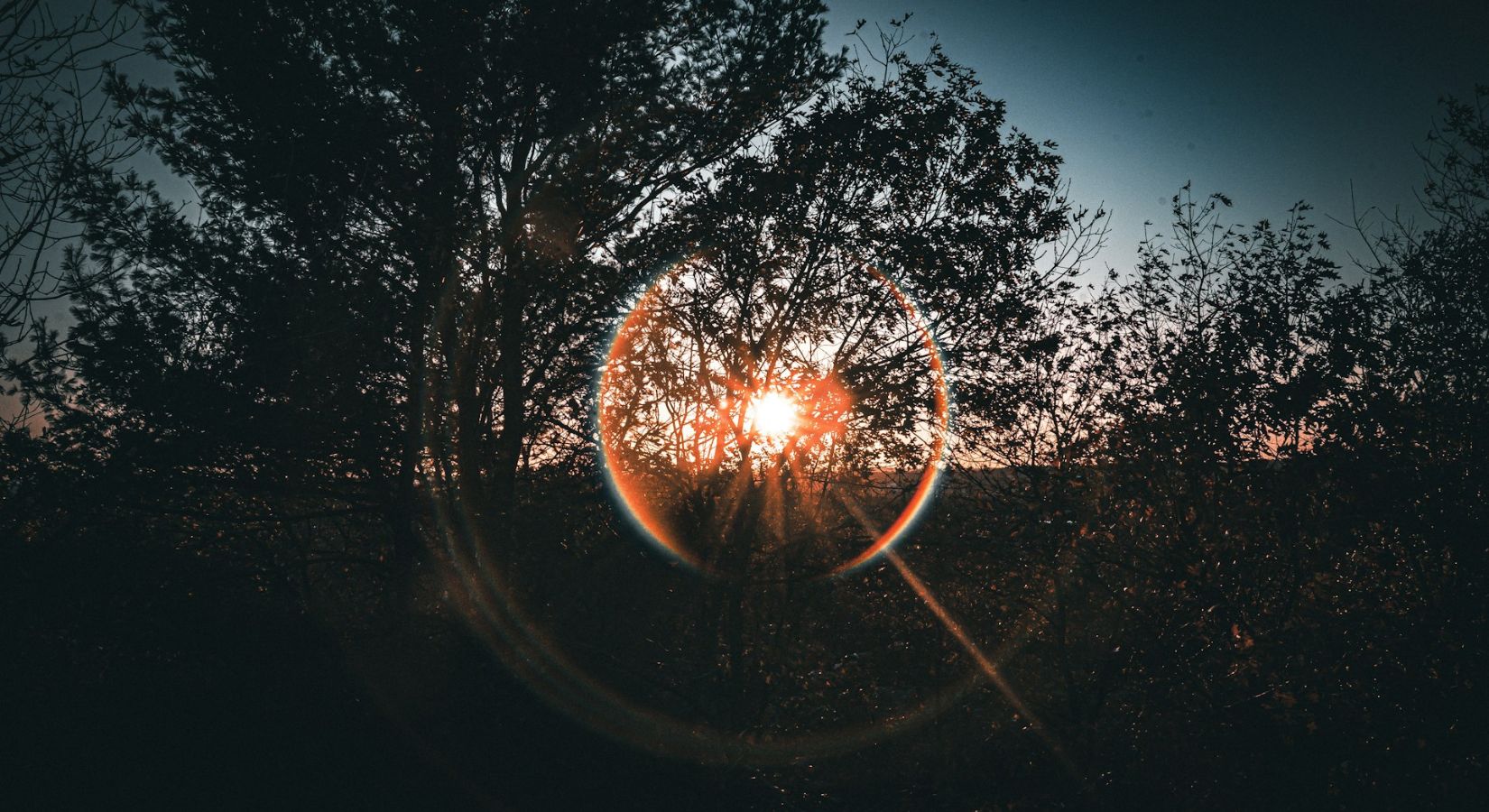
Many people have probably experienced unintended light reflections appearing in their photos when taking photos with their camera.
Reflections are often called "flare" or "ghosting," but by understanding the conditions and characteristics of their occurrence, you can prevent them from occurring or even create them to use as an effect.
What are flare and ghosting in camera photography?
Flare is a phenomenon where light reflects off the inside of a lens, causing unintended bright areas like a veil to appear in the photo. Be especially careful when shooting into backlight or a strong light source.
Ghosting, on the other hand, means that multiple light reflection points appear in the image due to reflections within the lens, which often have circular or polygonal shapes and, together with flare, reduce the contrast of the image.
The difference between flare and ghosting
Both flare and ghosting are phenomena caused by light reflection inside the lens, but they look different.
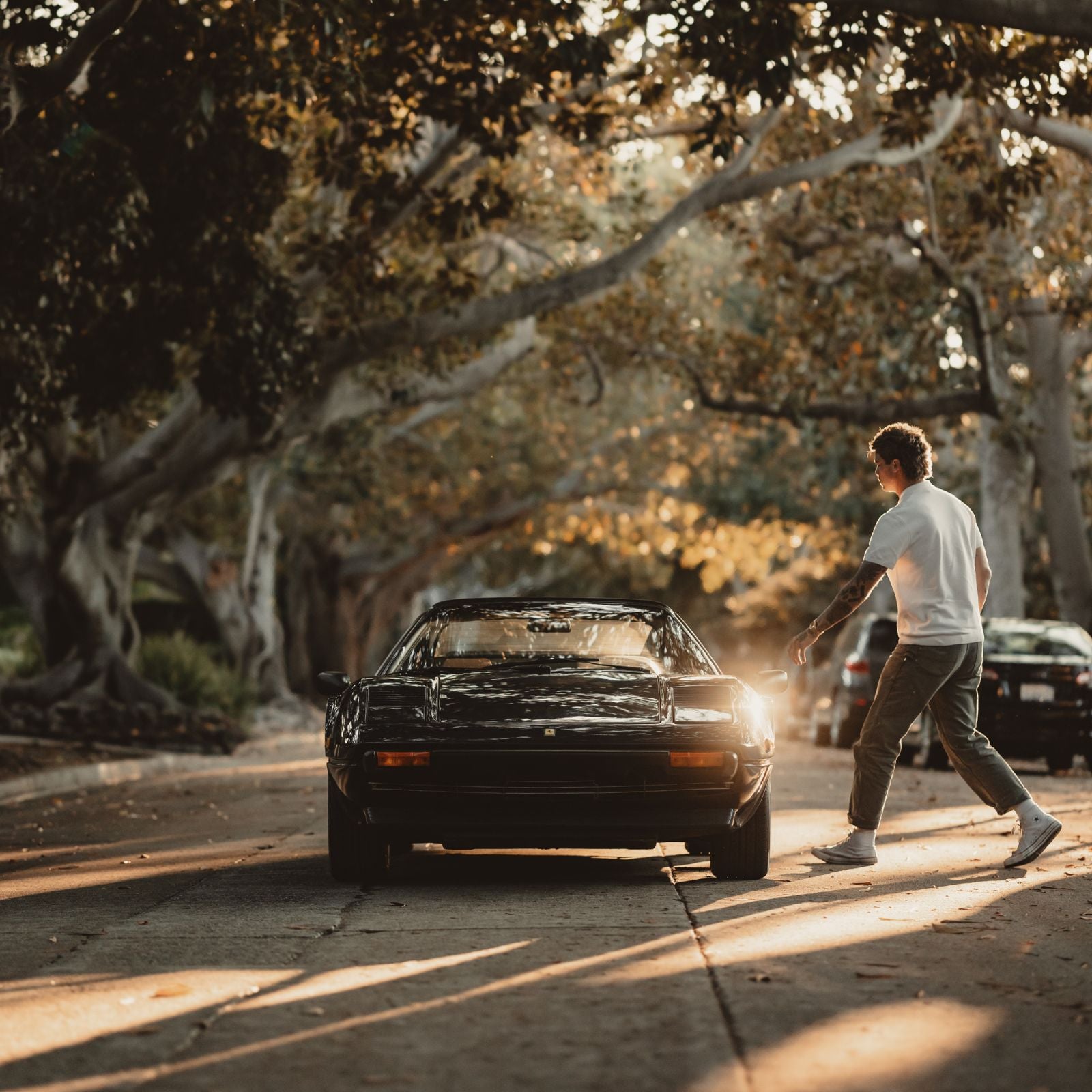
Flare is a phenomenon in which the entire photograph appears whitish, as if covered in mist, and is particularly pronounced when photographed against the light.
▼Example of flare

The main characteristic of ghosting is that light reflections appear as concrete shapes in a photograph, often appearing as circles or polygons.
▼ Ghost Examples

Understanding how each affects the mood of your photo is key to getting it right.
What causes flare and ghosting?
The main cause of flare and ghosting is light reflection within the lens. Particular care must be taken when shooting into backlight or a strong light source. These phenomena can be accentuated if the lens design or multi-layer coating is insufficient.
In addition, if the lens is not properly cleaned or has scratches, it will increase the scattering of light, making flare and ghosting more likely to occur.
To prevent these problems, it is important to choose the right lenses and perform regular maintenance.
Countermeasures for flare and ghosting
There are several effective measures you can take to prevent flare and ghosting.
First, using a lens hood can help prevent unwanted light from entering. It's also important to choose a lens with a high-quality coating. Furthermore, keeping the lens clean at all times will help minimize light reflections. It's also effective to adjust your shooting position so that the light source doesn't enter the lens directly.
Taking these measures will help you take clear, high-quality photos.
Deliberately using flare and ghosting as an expression
Flare and ghosting can create beautiful effects in photographs when they occur under certain conditions.
Some photographers deliberately use these effects to create a dreamlike and dramatic effect. For example, backlighting can give a soft glow to people or landscapes, creating a mysterious atmosphere. This effect is particularly effective in portraits and natural landscapes. Intentionally incorporating flare and ghosting can add personality and a unique style to your photos.
How to intentionally create flare and ghosting
To intentionally incorporate flare and ghosting into your photos, there are a few key points to keep in mind. First, position your camera toward a strong light source so that the light enters the lens directly. You can also change the shape of the light by adjusting the aperture. Finally, you can use a filter to enhance reflections.
This can enhance the dreamy mood of landscape photography or add a special effect to portraits, but it's important to strike a balance, as excessive flare and ghosting can detract from image quality.
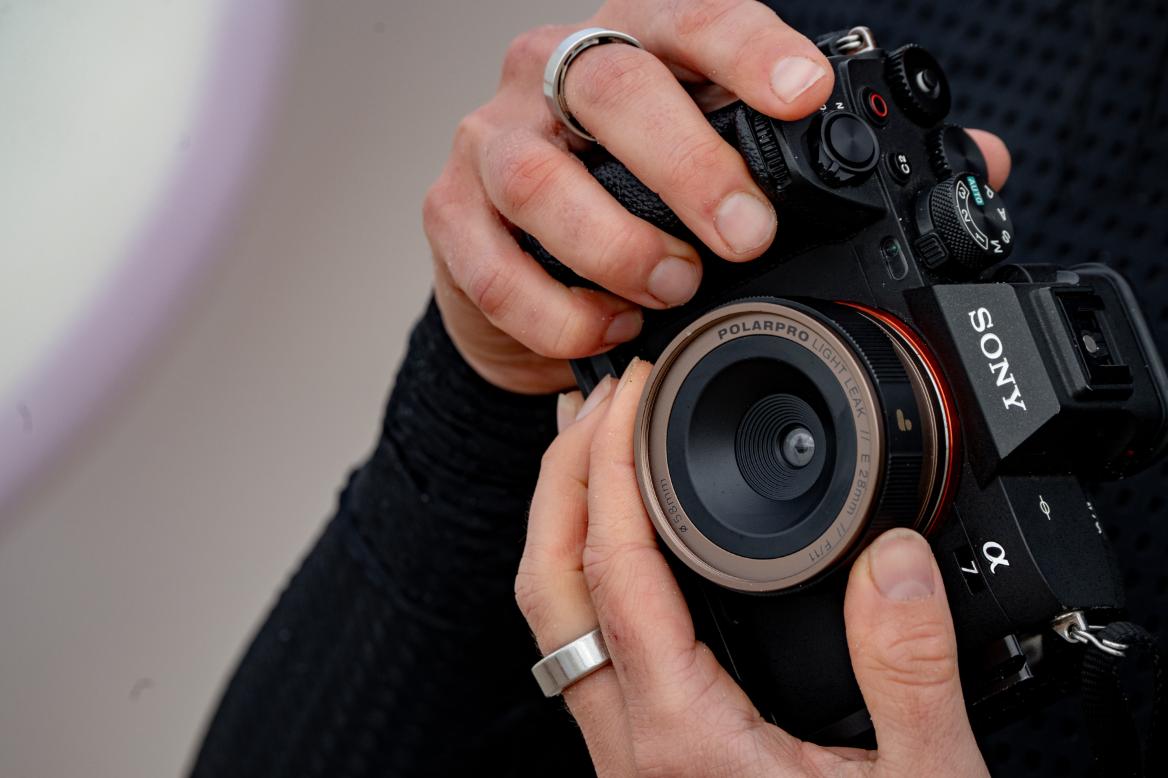
There are also special lenses, such as the PolarPro LightLeak lens , that intentionally let in light and directly add an effect.
Try and find your own way of expression through trial and error.