
Depth of field is an important concept to know when taking photos or videos.
Depth of field is deeply related to the "bokeh" that has a major impact on the expression of photographs and videos. The depth of field can have a huge impact on the impression of a photograph.
Let's delve deeper into the concept of depth of field so that understanding and controlling it can help you create more intentional expressions.
What is depth of field?

depth of field (DOF: Depth of Field) refers to the range that appears to be in focus depending on the camera settings and lens characteristics.
When this range is wide, it is said to have a deep depth of field, and when it is narrow, it is said to have a shallow depth of field.
By changing the depth of field, photographers can dramatically change the impression of their photos.
What happens when the depth of field is large?
With a deep depth of field, everything from the distant background to the foreground subject is in sharp focus. This is also known as "deep focus."
By using pan focus, you can take landscape photos in which everything from distant mountains to nearby flowers is in focus, resulting in a photo with a lot of overall information.

Shooting situations where a deep depth of field is better
A deep depth of field is ideal for landscape or architectural photography, where you want to retain fine details throughout the frame.
Also, when photographing a group, you want to keep everyone in focus, from the front row to the back row, so you need a deep depth of field. To achieve this deep depth of field, it is effective to narrow the lens aperture to a certain extent.
What happens if the depth of field is shallow?
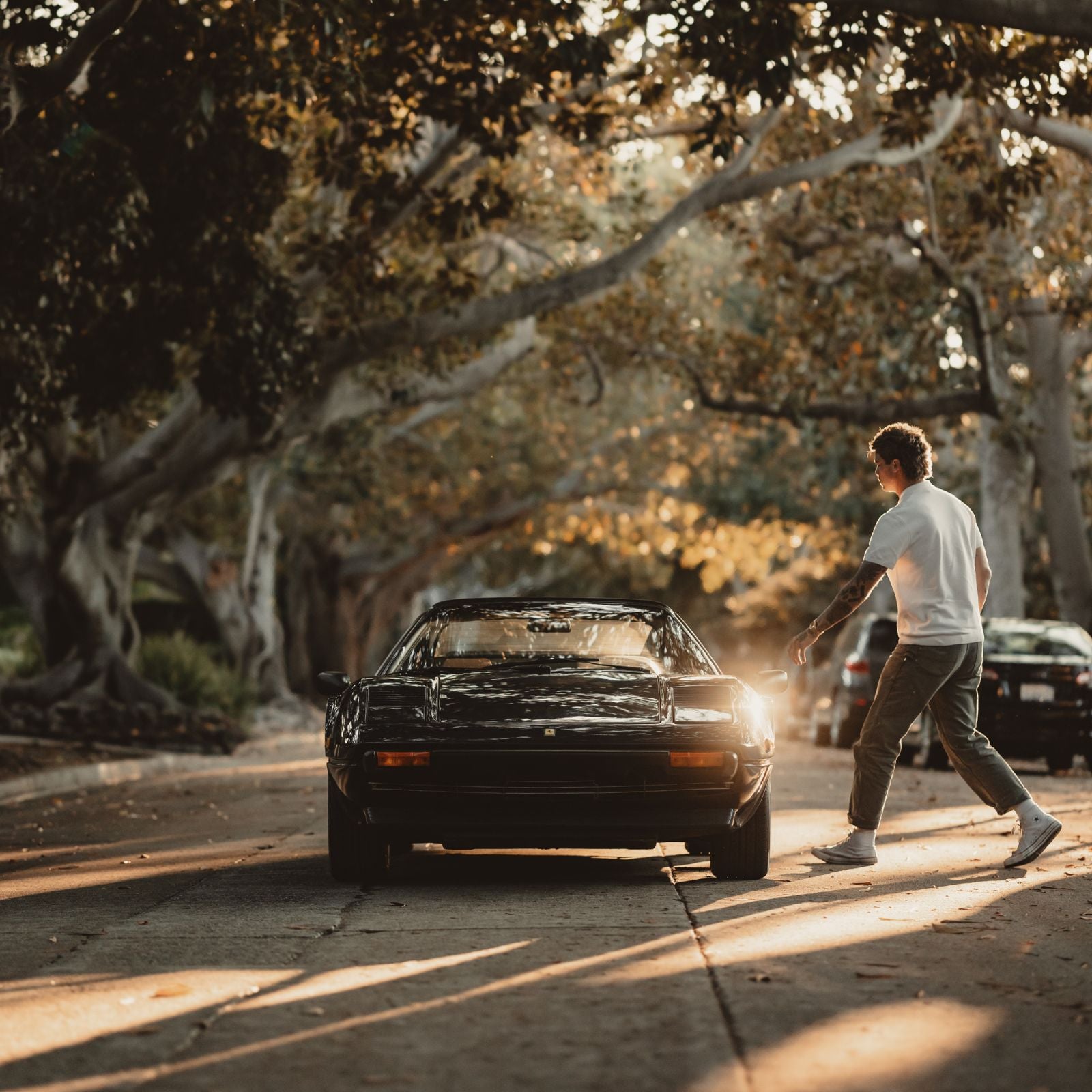
A shallow depth of field means that the area in focus is very limited, resulting in a very blurred background.
This bokeh effect makes the subject stand out and helps draw visual attention to the photographer's intended point.
A shallow depth of field is particularly effective when you want to draw attention to the subject's face, such as in portrait photography.

Shooting situations where a shallow depth of field is best
A shallow depth of field is a good choice when you want to draw attention to your subject, such as in portraits, macro photography, or still life photography.
By intentionally blurring the background, you can highlight the subject and add depth and beauty to your photo.
Furthermore, by increasing the distance between the subject and the background, you can achieve a stronger bokeh effect.
What changes the depth of field?
To control depth of field, you need to understand three main factors: lens aperture , focal length , and subject-to-focus distance .
By changing these elements, you can manipulate the depth of field in your photo.
Lens aperture value (f-number)
The smaller the aperture value (f-number), the larger the lens opening, the shallower the depth of field, and the more blurred the background will be.
Conversely, a larger aperture value (larger f-number) narrows the opening, resulting in a deeper depth of field and a sharper image with everything in focus.

But deep In search of depth of field If the aperture is narrowed too much, light diffraction occurs, which can result in a deterioration in image quality known as "small aperture blur." Therefore, it is important to understand the characteristics of your camera and lens and the aperture value that will give you the highest resolution.
Lens focal length
Lenses with long focal lengths tend to have a shallow depth of field, while lenses with short focal lengths have a deep depth of field. When using a zoom lens, you can easily create a shallow depth of field and blur the background by increasing the focal length.

Shooting distance from the subject
The closer the subject is to the camera, the shallower the depth of field. This principle is particularly evident in macro photography, where the photographer can fine-tune the depth of field by varying the distance from the subject.

Take your photography to the next level by controlling bokeh!
Bokeh (blurred background) can add artistic flair to your photos.
Controlling depth of field is an essential technique for taking expressive photographs.
Adjust the aperture, choose the lens, consider the shooting distance, and try to take a photo that comes as close as possible to the image you have in mind.